
A three-way match is not a piece of software. It is a comparison you make before you pay a supplier. You look at the purchase order, at what was actually received, and at the bill. If the item, the quantity and the price agree, the bill can go for payment. If they do not, someone has to say why, in writing, before money leaves.
In a company of 50 to 200 people this is often informal. A warehouse person ticks a delivery note. An invoice arrives in a personal inbox. Someone who "recognises the supplier" approves it in chat. Most of the time that works. When it fails, you pay for goods you did not receive, or you pay a price you did not agree, and you find out at month end or later.
This article is a practical way to run the comparison. It is not procurement theory, and the numbers in the example are labelled as an illustration.
The three documents
The purchase order is what you agreed to buy: item, quantity, price, date, and the person who approved the spend. If you do not raise orders, you are matching a bill to a memory. That can work for a handful of regular services. It does not work for stock, for project materials, or for anything that often arrives short or late.
The receipt is what actually arrived, with a date and a name. A signed delivery note, a warehouse booking, or a project lead confirming that the work or the goods are in: all of those are receipts if they are dated and kept. An email that says "looks fine" with no quantity is not enough when you later have to explain a shortage.
The bill is what the supplier wants you to pay. It should refer to the order, or to a delivery, clearly enough that a colleague who was not on the dock can still make the comparison.
A labelled example
The figures below are an illustration, not a customer and not a benchmark.
You order 100 units of a part at €12.00, for a total of €1,200, plus VAT at the rate that applies to that item. The warehouse books a receipt of 96 units. The supplier bills 100 units at €12.00.
The quantity does not match. The honest outcomes are: short-pay for 96, wait for the remaining four, or accept a written explanation if the four were already used and booked elsewhere. What you should not do is pay 100 because the price is the one you remember, and tidy the quantity later.
If instead the receipt is 100 and the bill is 100 at €12.50, the quantity matches and the price does not. Then the conversation is with the supplier, or with the person who agreed a new price and did not change the order.
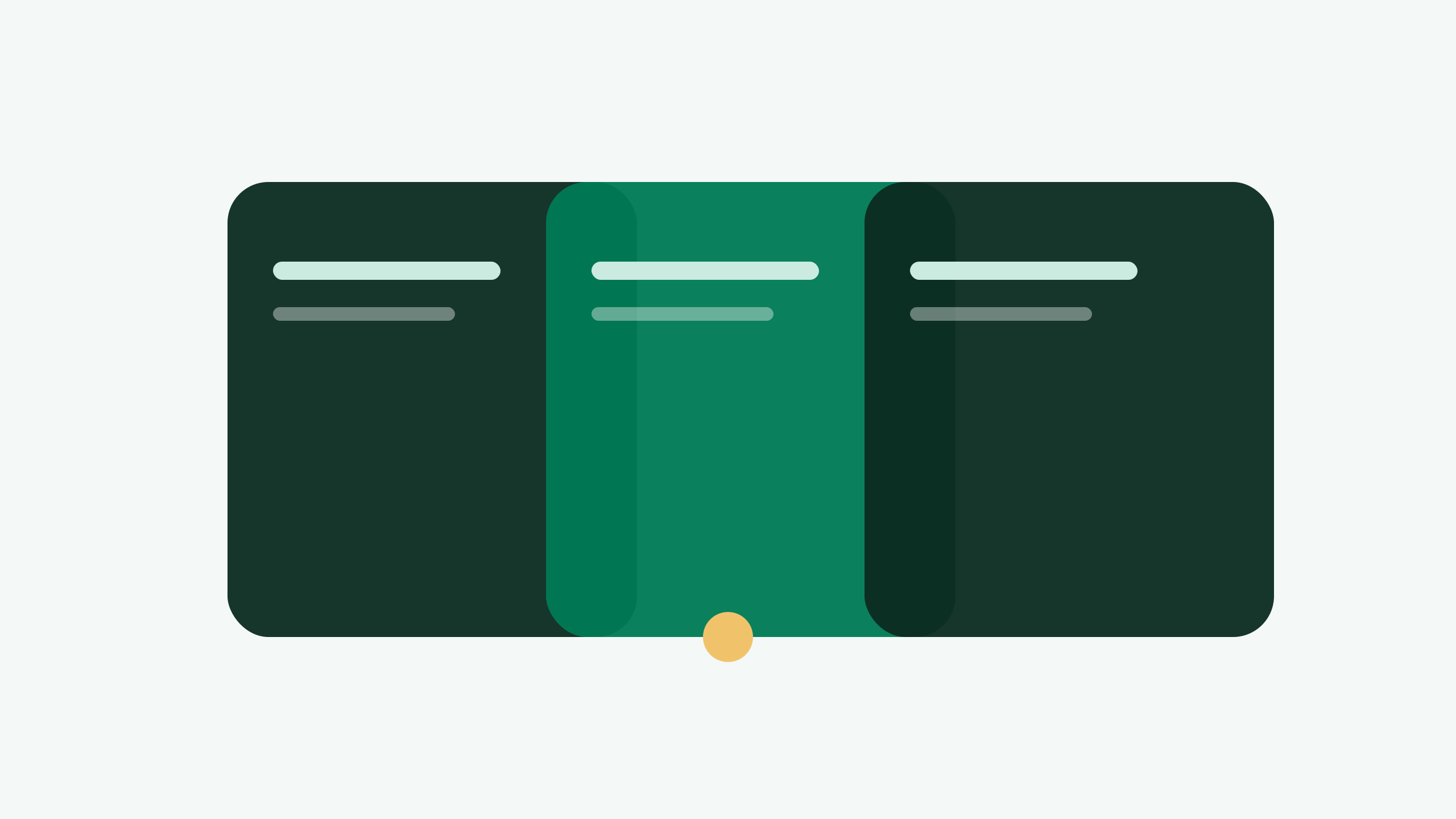
The boxes are the comparison. They are not filled with your numbers. You fill them from your own order, receipt and bill.
A simple rule for a company this size
Write a threshold. Below it, a trained person in finance or operations may accept a small quantity or price difference and record why. Above it, a named person must accept the exception before payment.
The threshold should be a number you can defend, not a feeling. Some companies use a percentage of the line, some use a fixed amount, some use both. Pick one, write it down, and name the substitute when the approver is away.
Services without a physical receipt still need a confirmation that the work was done, from the person who asked for it. That confirmation is the "receipt" in the match.
Recurring bills — rent, a known software subscription, a known lease — can follow a lighter path if the amount is the one you already agreed. A sudden change in that amount should not be paid on habit.
What usually goes wrong
The order is raised after the goods have arrived, so the match is theatre.
The receipt is a pile of paper on a desk, and finance only sees the bill.
Approvals happen in chat, and the exception is forgotten by the time the auditor, or a new colleague, asks.
A payment run is prepared from the bill list alone, because "operations is busy." That is how you pay the 100 instead of the 96.
Two people each think the other has checked the receipt.
How to start in thirty days
Pick one class of spend that already hurts: stock, project materials, or larger services. For those bills only, require the three documents, or a written exception, before payment. Do not try to redesign every small expense in the same month.
At the end of the month, look at how many exceptions you accepted, and whether any payment had to be unwound. Adjust the threshold if it is either unused or used for everything.
Keep the paper or the scan with the bill, so the comparison can be replayed.
Two-way match, and when it is enough
A two-way match compares the order and the bill, without a separate receipt. It can be enough for a regular service where there is no delivery to book: a known retainer, a contracted monthly fee that does not change.
It is not enough when quantity can be short, when goods can be damaged, or when the person who asked for the work would not know if it failed to arrive. In those cases the receipt is the step that protects you.
If you use both paths, write down which categories follow which path. A colleague should not have to guess.
If a supplier will not put your order number on the bill, add it yourself when the bill arrives, or send the bill back. Matching on supplier name alone is how two open orders get paid against the wrong document.
Payment runs
Prepare the payment run from bills that have already passed the match, or that have a written exception. Do not prepare it from the inbox.
If a supplier is also a customer, or if there is a planned set-off, write that down before the run, so a matched bill is not paid in full by habit.
After the run, a short look at what was paid without a match will tell you whether the rule is real or only written.
How this looks in Klarora by Kairos
Klarora's supply and finance add-ons are built so a purchase order, a receipt and a bill can sit in the same workspace, which is what the comparison needs. This article does not claim a particular button will do the thinking for you. The match is still a rule you write and a person you name.
Supply is €119 per seat per month. Finance is €52 per seat per month on Ultimate, only for finance seats. Standard is free for up to 100 members and does not include those add-ons. Current prices are on the page.
You can read the overview, , or .
Klarora is made by Kairos Connect B.V. in Amsterdam and hosted in the EU. This article is not accounting advice.